All Categories
Featured

Top Dental Benefits for Staff
Table of Contents
Companies are adopting openness tools that enable employees to compare costs and service providers, empowering smarter health care decisions. Numerous companies are likewise expanding value-based care and virtual-first healthcare alternatives to improve results while managing expenses.
The hybrid workforce is here to stay. Employers are supporting remote and in-office staff members with flexible schedules, virtual partnership tools, and equitable office policies, making sure every worker feels supported, linked, and valued. In 2026, employees expect flexibility, personalization, and smooth digital experiences. And WEX delivers. Our ingenious innovation simplifies benefits administration, connects information throughout platforms, and supplies AI-powered insights that assist employers develop smarter, more tailored advantages strategies.
The details in this article is for educational functions only. It is not legal, tax or financial investment guidance. For legal, tax or investment suggestions, you ought to consult your own legal counsel, tax and investment advisors.
Essential Local Business Medical Coverage Updates
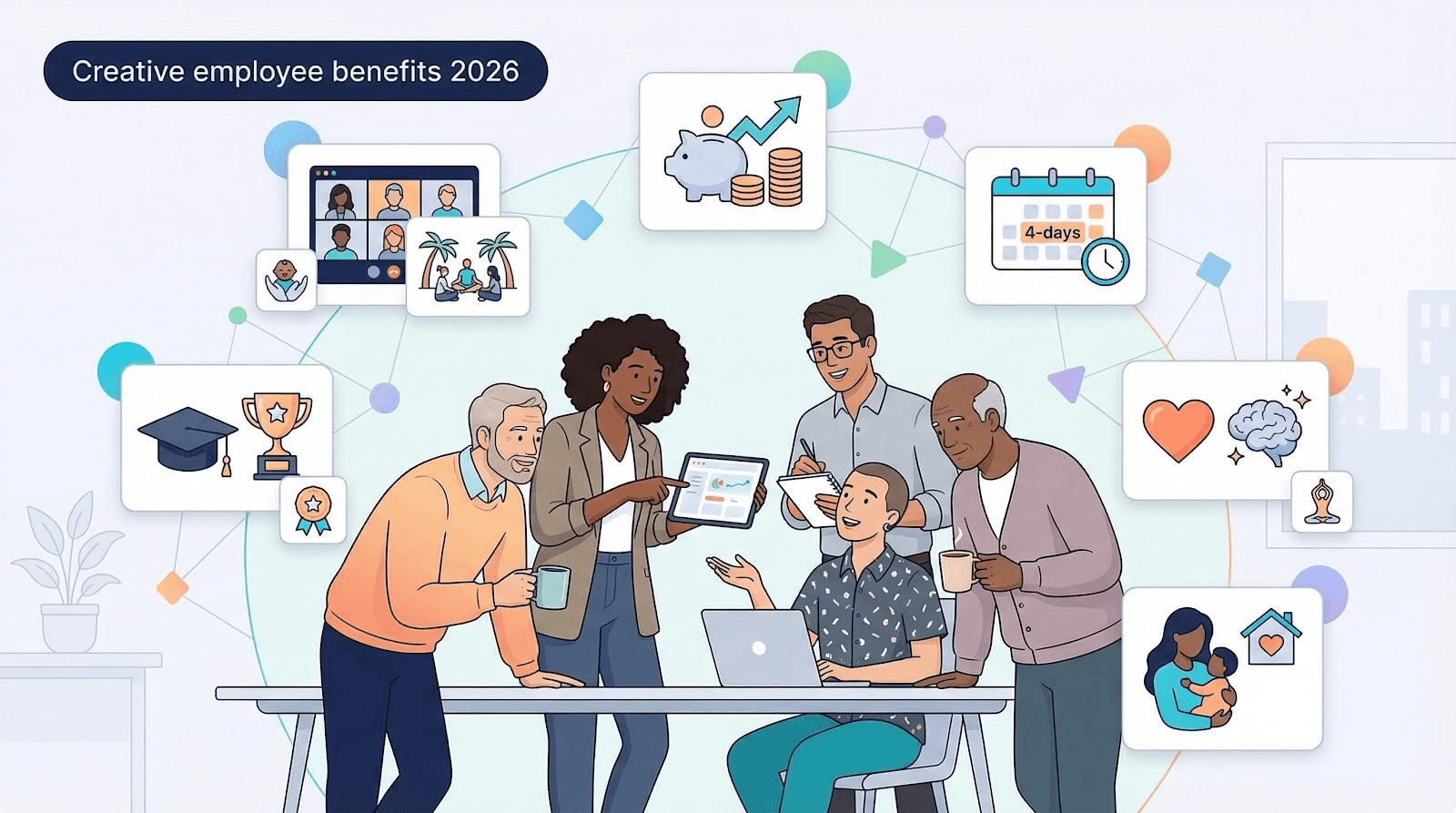
Budget plans are tighter in 2026. Staff members are louder about what they expect. That combination puts HR teams and small company owners in a hard spot: how do you build a benefits plan that in fact moves the needle without blowing up your labor budget plan? Fortunately is that competitive doesn't indicate costly.
Group Benefits FullertonThis guide breaks down 30 practical advantage concepts throughout health, monetary, versatility, and recognition categories, so you can build a bundle that fits your labor force rather of copying a generic template. We'll also cover how to select the right mix and where to get expert guidance, consisting of insight from Muneris Advantages, a worker advantages consultant serving companies across Virginia and West Virginia.
In WTW's 2024 Global Advantages Attitudes Study, staff members ranked pay, job security, and health advantages as their leading three factors for staying in or accepting a job, with 36% mentioning health benefits particularly. Using advantages isn't enough. MetLife's 2024 research found 65% of staff members desire benefit communication throughout the year, not just during open registration, which number reaches 68% amongst Gen Z workers.
According to the Bureau of Labor Statistics, advantages made up in March 2026, averaging $14.01 per hour per worker. Health-related protection is still the foundation of any advantages bundle, but expectations have actually moved past medical-only plans.
How to Design Effective Employee Benefit Plans
Let employees put funds toward physical fitness, nutrition, or mindfulness rather of a single health club network. Lots of companies still bundle fundamental life and impairment defense so families have earnings assistance after a major illness, injury, or death.
An inexpensive voluntary add-on that resonates with younger and pet-owning workers. Low-cost group rates with high viewed worth as cyber and fraud dangers grow. Payroll-deduction access to assist with wills, family law, and housing concerns. Tax-advantaged dollars for certified medical expenditures. SHRM's 2025 survey discovered 61% of employers now use an HSA.
Developing a well balanced mix of medical, pharmacy, and related group advantages is where many employers get stuck. Muneris Benefits helps Virginia and West Virginia employers design and manage group health, dental, vision, and HSA/HRA-style offeringsusing access to significant Virginia carriers and plan styles that weigh coverage versus cost. Financial tension is among the greatest distractions staff members bring into the workday.
Still one of the most valued non-medical benefits, particularly when combined with employee education on how to utilize it. Budgeting tools, financial obligation therapy, and emergency savings assistance. SHRM found 33% of employers now offer non-retirement financial guidance online. Appeals to more youthful staff members even at modest contribution levels. SHRM reported adoption rose to about 9% of companies in 2024, up from 7% in 2022.

Advanced Business Insurance and Employee Benefit Strategy
Specifically pertinent for startups and growth-stage business developing an ownership culture. Matching staff members with coaches supports retention and keeps institutional understanding inside the company. Appeals to workers preparing ahead for their kids' education.
Those alternatives fit into an advantages bundle built around the labor force and the budget plan. For much these days's workforce, flexibility isn't a perk any longer. It's a prerequisite. Predictability and trust matter more than limitless remote access. SHRM found 63% of companies now offer hybrid work. Separating vacation, sick, and mental health time produces clarity for staff members planning their year.

Latest Posts

Effective Workplace Health Programs in 2026

Browsing Medical Facility Stays with Santa Ana Indemnity Strategies
Modern Payroll Insurance Strategies for Companies